JULY 1923. THE CARILLON IS UNVEILED.
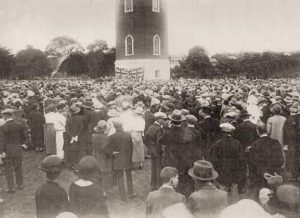
Loughborough’s long awaited Carillon War Memorial was officially unveiled on 22nd July 1923, to ‘unparalleled scenes’. This was a huge event for the town.
Hundreds of people poured into the streets leading to Queens Park. They came on foot, by bicycle, private cars and charabancs. Parked cars crowded the sides of the roads. No worries about traffic wardens in those days!
People proudly wore medals or ribbons, either their own or those of their loved ones and comrades who had died in the war. The crowd was well behaved, but around 100 people fainted.
The unveiling was a blend of civic pride, religious commemoration and military ceremonial, and of course, personal reflection and grief. 478 names were engraved on bronze plaques attached to the walls (114 more were added at a later date). These were the men and boys, some only in their teens, who had perished in the war, their lives brutally cut short. Some had been brothers.
The VIP list
A very long list of VIPs and notables attended the opening event, including the Mayor and Mayoress, the Duchess of Rutland, the Bishop of Peterborough, councillors, clergymen, Walter Tapper the Carillon architect, and Denison Taylor from the bell foundry.
Remembering the fallen
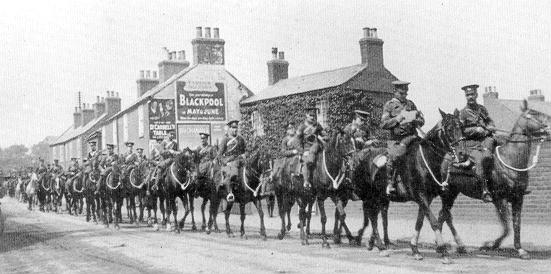
After a military procession from the town hall to Queen’s Park, the unveiling speech was read by Field Marshall Sir William Robertson, Chief of the Imperial General Staff from 1916-1918. He reminded people that this was an occasion for thinking, not for talking, but paid full and moving tribute to Loughborough’s fallen. He expressed the optimistic notion that in spite of the dreadful carnage, their deaths had made a difference and would not be forgotten. “The memorial is something more than a tower of bells. It is forever sacred to the memory of those men.”
After the speeches came The Last Post, Reveille, wreath-laying and a recital on the Carillon itself, for most people the first time it would have been heard. At the keyboard was Jef Denyn, carillonneur of Malines Cathedral in Belgium. Carillon bells would soon become the unique sound of Loughborough.